Is stem cell or exosome treatment FDA approved?
No. As of this review, no exosome product holds United States FDA approval for any indication[1], and no stem-cell product is FDA approved for a cosmetic indication. The FDA maintains a standing consumer alert covering regenerative medicine products including stem cells and exosomes. Two further points make the answer more useful than a flat no: American approval status would not determine Korean legality in any case, and “approved,” “cleared” and “unapproved but marketed” are three different states that clinic copy routinely collapses into one.
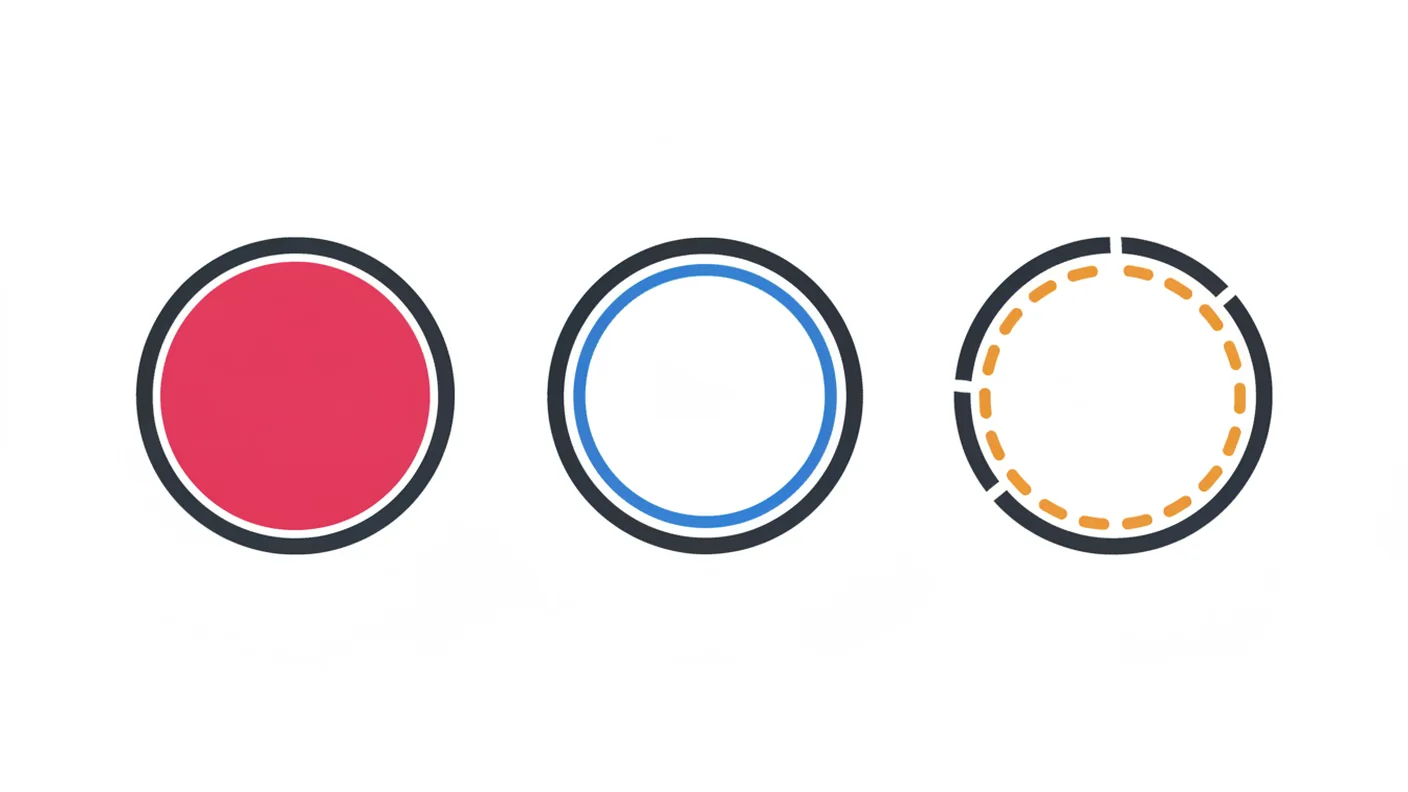
What the terms actually mean
State 1
Approved
The FDA reviewed evidence of safety and effectiveness for a stated indication and authorised marketing for it.
Does not mean: That the product is safe or effective for anything outside that stated indication.
State 2
Cleared (510(k))
A device was shown substantially equivalent to an already-marketed device. Common for aesthetic energy devices.
Does not mean: That an independent trial established effectiveness. Clearance is a comparison, not a proof.
State 3
Marketed without approval
The product is being sold. Some such products are subject to enforcement discretion; some are simply unapproved.
Does not mean: Anything at all about safety or effectiveness. Availability is not authorisation.
A page describing an aesthetic energy device as “FDA cleared” is generally stating something true and modest. A page describing an exosome preparation as “FDA approved” is describing a status that does not exist for that product class.
Exosomes
The position is stated directly in the review literature: there are currently no FDA-approved exosomes, and the outstanding obstacles are inconsistent isolation methods, source variability, and the absence of clinical trials establishing long-term safety and efficacy[1]. A 2025 comprehensive review of aesthetic use reaches a compatible conclusion from the other direction — early evidence is encouraging across several indications, and the lack of standardisation in production and application limits what can currently be concluded[3].
Note what that does and does not say. It does not say exosomes are useless; the mechanistic case is real and the early clinical reports are not nothing. It says the regulatory step that would let anyone make a marketing claim has not been taken, for any exosome product, for any indication.
Stem cells for cosmetic indications
There is no approved stem-cell product for cosmetic use. The FDA’s consumer alert on regenerative medicine products exists precisely because products in this class are marketed directly to consumers ahead of that authorisation, and clinical commentary has repeatedly described the resulting gap between what is sold and what is established[4].
A useful sense of scale comes from hair loss, where the treatment landscape is well characterised. Reviews of androgenetic alopecia list topical minoxidil, oral finasteride and low-level light therapy as the FDA-approved options, with PRP, exosome treatments, nutraceuticals and hormonal therapies among the alternatives that exist without that status[2]. If a clinic proposes an unapproved option first, the reasonable question is what happened to the approved ones.
Why American status is not the whole question in Korea
Readers frequently treat FDA approval as a universal seal. It is not: it is one jurisdiction’s determination about one product for one indication. Korea regulates advanced regenerative medicine under its own statutory framework, with its own designation and review requirements, and a product or procedure’s status there is established by Korean documents, not American ones.
The corollary matters for medical tourists. A clinic that answers a regulatory question by pointing at a foreign regulator has changed the subject. The critical review literature on stem cell tourism notes that the clinics offering these interventions are concentrated where oversight is lighter, and that patients travelling to them are frequently given little information about either the therapy or the trip[5].
References
- Haykal D, Wyles S, Garibyan L, Cartier H, Gold M. Exosomes in Cosmetic Dermatology: A Review of Benefits and Challenges. J Drugs Dermatol. 2025;24(1):12-18. doi:10.36849/JDD.8872 · PMID:39761139
- Nestor MS, Ablon G, Gade A, Han H, Fischer DL. Treatment options for androgenetic alopecia: Efficacy, side effects, compliance, financial considerations, and ethics. J Cosmet Dermatol. 2021;20(12):3759-3781. doi:10.1111/jocd.14537 · PMID:34741573
- Shah M, Dukharan V, Broughton L, et al. Exosomes for Aesthetic Dermatology: A Comprehensive Literature Review and Update. J Cosmet Dermatol. 2025;24(1):e16766. doi:10.1111/jocd.16766 · PMID:39764639
- Ikonomou L, Weiss DJ. Turning the Tide on Unproven Cell-Based Interventions. Chest. 2020;157(4):774-775. doi:10.1016/j.chest.2019.10.035 · PMID:32252930
- Lyons S, Salgaonkar S, Flaherty GT. International stem cell tourism: a critical literature review and evidence-based recommendations. Int Health. 2022;14(2):132-141. doi:10.1093/inthealth/ihab050 · PMID:34415026
Bibliographic records retrieved from PubMed (U.S. National Library of Medicine). Citation here indicates the source of a statement, not endorsement by its authors of any clinic or product.
Written by the Stem Cell Seoul editorial team and medically reviewed by a Korean Board-Certified Dermatologist (AAD International Fellow · ASLMS member). Last reviewed 2026-08-30.